
The Classic Inca Trail 4-day trek stands as one of the world’s most renowned hiking experiences, combining breathtaking mountain scenery with remarkable Incan archaeological sites and culminating in the unforgettable sunrise arrival at Machu Picchu through the Sun Gate. This bucket-list adventure attracts thousands of trekkers annually who seek to follow ancient pathways used by Incan messengers and nobility centuries ago. Understanding what this challenging yet rewarding trek entails helps prospective hikers prepare properly and set realistic expectations for an experience that demands physical effort while delivering profound rewards.
Overview of the Trek
The Classic Inca Trail 4-day trek covers approximately 26 miles (43 kilometers) through diverse terrain ranging from high mountain passes exceeding 13,800 feet to lush cloud forest zones surrounding Machu Picchu at 7,970 feet. This relatively short distance belies the trek’s difficulty, as the route includes steep ascents, challenging descents, thousands of stone steps, and significant altitude that affects even fit hikers unaccustomed to thin mountain air.
The trail winds through the Machu Picchu Historical Sanctuary, a protected area encompassing not just the famous citadel but also extensive surrounding wilderness containing multiple archaeological sites, diverse ecosystems, and remarkable biodiversity. Trekkers encounter numerous Incan ruins along the route including Llactapata, Runkurakay, Sayacmarca, Phuyupatamarca, and Wiñay Wayna—each offering unique architectural features and strategic locations that illuminate Incan engineering prowess and territorial control.
Peruvian authorities strictly regulate the Classic Inca Trail 4-day trek to protect the fragile environment and archaeological treasures from overuse. Only 500 people total—including trekkers, guides, porters, and cooks—may enter the trail daily. Permits sell out months in advance during peak season from May through September, requiring early planning and booking to secure spots on this limited-access route.
Day-by-Day Itinerary
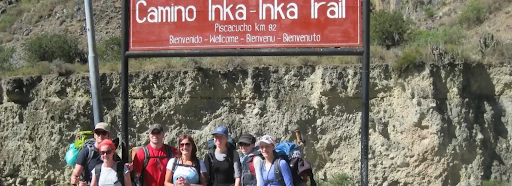
Day 1 begins with early morning pickup in Cusco followed by ground transportation to Kilometer 82, the official trail starting point along the Urubamba River. The first day covers approximately 7 miles with moderate altitude gain, allowing trekkers to adjust to hiking rhythms and altitude while traversing relatively gentle terrain. The Classic Inca Trail 4-day trek starts gradually, building confidence and conditioning before more challenging days ahead. Trekkers pass the archaeological site of Llactapata and arrive at the first campsite near Wayllabamba around 3,000 meters elevation.
Day 2 represents the trek’s most physically demanding section, ascending from Wayllabamba to Dead Woman’s Pass at 4,215 meters (13,828 feet)—the trail’s highest point. This grueling climb tests cardiovascular fitness and altitude tolerance, typically requiring four to five hours of steady uphill hiking. After reaching the pass and celebrating this achievement, trekkers descend into the Pacaymayo Valley where the second night’s camp awaits. This day covers approximately 7 miles but involves over 1,200 meters of elevation gain followed by significant descent, making it exhausting despite the relatively short distance.
Day 3 offers the Classic Inca Trail 4-day trek’s most archaeologically rich experiences. After ascending to the second pass at 3,950 meters, trekkers visit Runkurakay, a circular Incan structure likely serving as a tambo (way station), before continuing to Sayacmarca, an impressive complex perched dramatically on a rocky promontory. The trail then reaches Phuyupatamarca, meaning “Town Above the Clouds,” featuring sophisticated terracing and water channels that demonstrate Incan hydraulic engineering. The day concludes with descent to Wiñay Wayna, a stunning archaeological site with extensive agricultural terraces and ceremonial structures where the third night’s camp is located.
Day 4 begins in predawn darkness as trekkers hike the final section to reach the Sun Gate (Inti Punku) for sunrise views of Machu Picchu. This early start ensures arrival at the Sun Gate as morning light illuminates the ancient citadel, creating one of trekking’s most iconic and emotional moments. After absorbing this spectacular vista, trekkers descend to Machu Picchu for guided tours before departing via bus and train back to Cusco, completing the Classic Inca Trail 4-day trek journey.
Physical Requirements and Training
Successfully completing the Classic Inca Trail 4-day trek requires solid fitness levels and appropriate preparation. While not technical mountaineering requiring climbing skills, the trek demands sustained cardiovascular endurance, strong legs for steep ascents and descents, and mental toughness for managing discomfort and fatigue over multiple consecutive days.
Recommended training programs should begin at least two to three months before your trek, focusing on building aerobic capacity through hiking, running, cycling, or stair climbing. Practice with weighted backpacks simulating the daypack you’ll carry helps prepare shoulders and core muscles for sustained load bearing. While porters carry main gear, trekkers must carry daypacks with water, snacks, rain gear, cameras, and personal items throughout each day.
Altitude acclimatization proves crucial for Classic Inca Trail 4-day trek success. Spending at least three full days in Cusco before starting the trek allows bodies to adjust to the 3,400-meter elevation, though this doesn’t guarantee complete acclimatization for the even higher altitudes reached on the trail. Some trekkers experience altitude sickness symptoms including headaches, nausea, and fatigue despite proper acclimatization periods.
Previous hiking experience helps significantly, as understanding your body’s responses to sustained physical exertion and having practiced hiking techniques reduces discomfort and prevents injuries. However, many first-time backpackers successfully complete the trek through proper preparation and determination.
What to Pack
Packing strategically for the Classic Inca Trail 4-day trek balances bringing necessary items against minimizing weight. Tour operators typically provide duffel bags with weight limits around 7 kilograms for gear carried by porters. Your daypack should carry approximately 5 to 7 kilograms with essentials needed during hiking.
Essential clothing includes moisture-wicking base layers, insulating mid-layers, waterproof rain jacket and pants, warm jacket for cold mornings and evenings, hiking pants, hat for sun protection, warm hat for cold conditions, gloves, and multiple sock pairs. Temperature variations between cold high-altitude passes and warmer lower elevations require versatile layering systems.
Quality hiking boots broken in before the trek prevent blisters and provide necessary ankle support and traction on steep, sometimes slippery terrain. Trekking poles reduce knee strain during descents and provide stability on uneven surfaces, making them highly recommended equipment for the Classic Inca Trail 4-day trek.
Additional essentials include sunscreen with high SPF, insect repellent, personal medications, basic first aid supplies, toiletries, headlamp with extra batteries, water bottles or hydration systems, snacks for energy during hiking, camera equipment, and any personal comfort items. Sleeping bags rated for cold temperatures are typically provided by tour operators but verify specific inclusions when booking.
Permits and Regulations
The Classic Inca Trail 4-day trek operates under strict governmental regulations requiring permits that cannot be obtained independently—all trekkers must book through licensed tour operators. Permits are non-transferable and require passport information exactly matching your identification documents. Any passport changes between booking and trekking necessitate permit updates through operators.
The 500-person daily limit includes everyone on the trail, meaning actual trekker numbers are significantly lower after accounting for guides, porters, and cooks. This limitation maintains trail integrity and protects archaeological sites from excessive foot traffic while creating competitive demand for permits during peak season.
Booking six to eight months in advance is recommended for peak season treks from May through September, while shoulder season months of April and October require three to four months lead time. Wet season from November through March offers better availability but involves challenging weather conditions including rain and potential trail closures during extreme weather.
Environmental regulations prohibit littering, require carrying out all waste, and designate specific camping areas to minimize ecological impact. Trekkers must follow guide instructions regarding archaeological site preservation, staying on designated paths and never touching or removing ancient structures or artifacts.
Tour Operator Selection
Choosing a reputable operator for your Classic Inca Trail 4-day trek significantly impacts experience quality and safety. Established companies employ experienced guides, maintain proper equipment, provide quality food, treat porters ethically with fair wages and working conditions, and demonstrate commitment to environmental responsibility.
Evaluating operators requires researching their safety records, reading recent reviews from multiple sources, verifying their licensing with Peruvian authorities, and understanding exactly what their packages include. The cheapest operators often cut corners through inadequate equipment, poor food quality, or exploitative porter treatment that ethical travelers should avoid.
Quality indicators include reasonable group size limits, detailed pre-trek briefings, experienced bilingual guides, porter welfare policies complying with regulations regarding maximum loads and minimum wages, environmental practices minimizing trail impact, and comprehensive insurance coverage. These factors justify premium pricing that supports sustainable, ethical trekking operations.
Cost Considerations
The Classic Inca Trail 4-day trek represents a significant investment, with prices typically ranging from $500 to $800 for standard group treks. This cost includes permits, guide services, porters, camping equipment, meals during the trek, and often train tickets back to Cusco. Additional expenses include tips for guides and porters, equipment rentals if needed, travel insurance, and personal spending.
While expensive compared to other Peruvian activities, the price reflects limited permit availability, extensive support staff requirements, quality equipment needs, and operational costs in remote mountain environments. The comprehensive nature of included services means few additional expenses beyond the base package price.
Budget considerations should account for pre-trek accommodation in Cusco for acclimatization days, post-trek celebration meals, and recovery time. Many trekkers find themselves exhausted after completing the Classic Inca Trail 4-day trek, benefiting from relaxed schedules the following day rather than immediate onward travel.
Weather and Best Times
Peak season from May through September offers the most reliable weather with minimal rainfall and clear skies ideal for photography and comfortable camping. However, this popularity means maximum crowds both on the trail and at Machu Picchu, along with highest permit demand requiring earliest booking.
Shoulder seasons in April and October balance favorable conditions against reduced crowds and better availability. Weather becomes less predictable with increased rain chances, but conditions generally remain suitable for trekking with proper preparation.
Wet season from November through March brings regular rain, muddy trails, and potential dangers from slippery conditions. However, dramatically reduced crowds, lush green landscapes, and lower prices attract hardy trekkers willing to accept weather challenges for more solitary experiences on this iconic trail.
Conclusion
The Classic Inca Trail 4-day trek delivers one of the world’s most rewarding hiking experiences, combining physical challenge with cultural immersion, archaeological discovery, and the incomparable achievement of arriving at Machu Picchu on foot through the Sun Gate as Incan travelers did centuries ago. This demanding journey requires serious preparation, significant financial investment, and mental commitment to persevere through difficult moments, yet the rewards—spectacular mountain scenery, remarkable ruins, personal accomplishment, and that magical sunrise moment viewing Machu Picchu—create memories that last lifetimes.
For adventurous travelers seeking more than tourist convenience, willing to embrace physical discomfort and camping simplicity in exchange for authentic connection to Incan heritage and Andean wilderness, the Classic Inca Trail 4-day trek represents the ultimate Machu Picchu approach. Proper preparation, realistic expectations, choosing ethical operators, and respecting the trail’s cultural and environmental significance ensure this remarkable journey fulfills its promise as one of trekking’s most iconic and meaningful experiences.
