
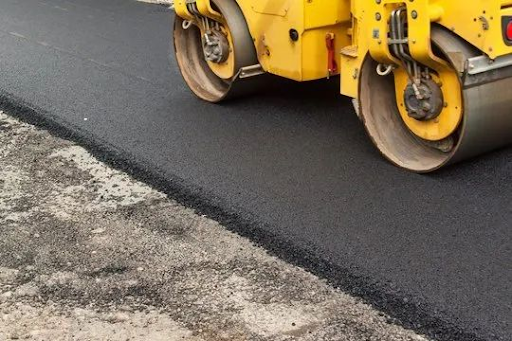
Professional sealcoating plays a powerful role in protecting paved surfaces and extending their usable life. It adds a strong, flexible layer over asphalt that shields it from sun, moisture, oil spills, and regular traffic stress. Over time, untreated asphalt becomes brittle and cracks easily. With proper care, surfaces stay smooth, safe, and visually appealing for years. Property owners who invest in surface protection early often avoid expensive repairs later.
Surface Durability Through Sealcoating
Sealcoating is the process of applying a protective liquid coating over asphalt to block water, UV rays, and chemical damage, and it acts as a shield that keeps pavement strong and flexible. The sealcoating reduces surface oxidation, which is one of the leading causes of cracking. Once the coating cures, it forms a tight barrier that slows down aging. Small surface flaws are sealed before they grow into deep structural problems.
Protective Barrier Created by Sealcoating
Sealcoating creates a waterproof membrane that prevents rain and melting snow from seeping into the base layers, and this reduces internal erosion and long-term weakening of the pavement. Moisture is a major enemy of asphalt because it breaks down the binding materials. When the surface stays dry underneath, it maintains its load-bearing strength. This protection becomes even more valuable in areas with heavy seasonal weather changes.
Crack Prevention and Surface Flexibility With Sealcoating
Sealcoating helps maintain surface flexibility by reducing exposure to heat and oxygen, and this slows the formation of fine cracks along the top layer. Asphalt naturally expands and contracts with temperature changes. A protected surface handles these movements without breaking apart. As a result, spider-web cracking and surface flaking become far less common over time.
UV and Oxidation Resistance in Sealcoating
Sealcoating works by reflecting harmful ultraviolet rays and sealing the asphalt from air exposure, and this prevents oxidation that causes surfaces to fade, harden, and weaken. Oxidation dries out asphalt and makes it fragile. With a sealed surface, the pavement retains its natural oils for a longer period. This helps the surface remain darker, smoother, and more resilient under traffic.
Professional Application Techniques for Longer Life
Professional application adds precision and consistency that basic treatments cannot match. Contractors clean the surface thoroughly and repair minor flaws before the protective layer is applied. This preparation ensures strong bonding between the coating and the asphalt. Even distribution of material creates a uniform finish that lasts longer. Skilled timing during drying also reduces peeling and bubbling after application.
Maintenance Cycles That Maximize Performance
Routine maintenance keeps surfaces in working condition without major reconstruction. Reapplying the protective layer every few years refreshes the shield and restores surface flexibility. This approach extends pavement life by a significant margin compared to untreated surfaces. Preventive care also helps property owners control long-term maintenance costs.
Long-Term Value of Sealcoating
Sealcoating adds both structural and visual value by strengthening the pavement and improving the overall appearance, and it serves as a protective treatment that keeps asphalt durable, smooth, and resistant to environmental damage. Over time, this translates into fewer repairs and longer service life. Consistent use of protective coatings ensures that surfaces remain reliable under daily wear and changing weather.
Conclusion
Professional sealcoating significantly improves surface durability by creating a protective barrier that resists moisture, sunlight, and everyday wear. It keeps asphalt flexible, reduces cracking, and preserves appearance. With routine application and proper care, paved areas stay safer and stronger for years. In the long run, this simple protective process delivers lasting performance and dependable surface strength.
