
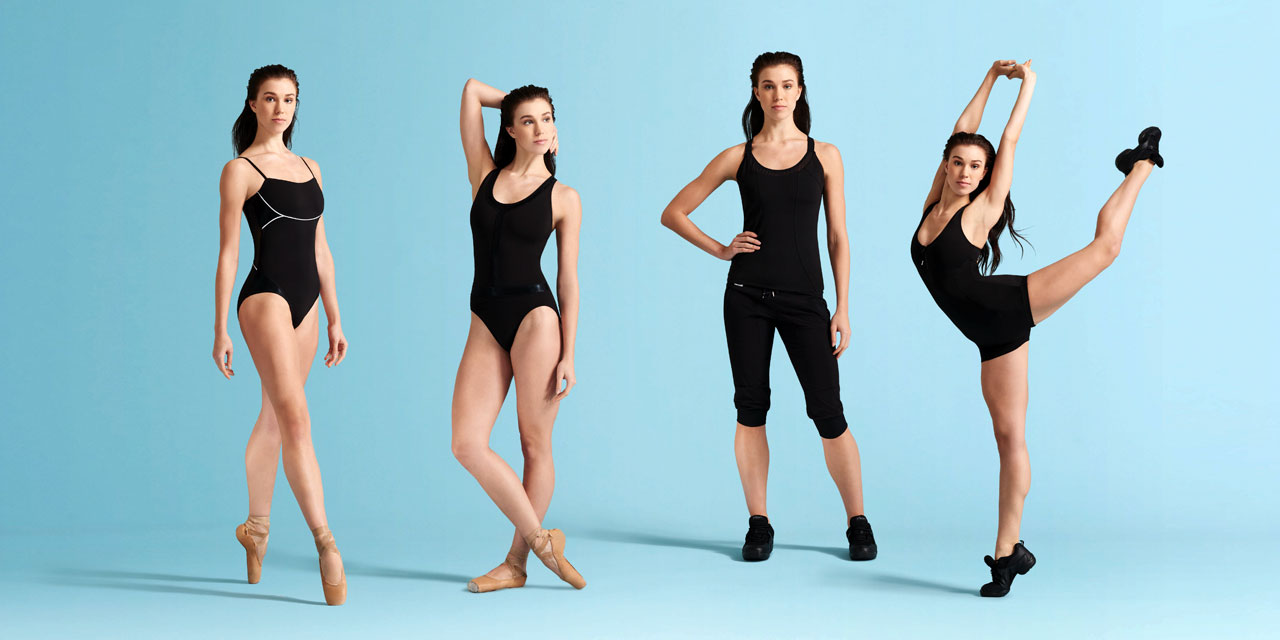
The right leotards for dance do far more than meet a studio dress code. For young dancers, teens, and pre-professional performers, a leotard can support clean lines, allow full range of motion, and boost confidence every time they walk into class. When fit, fabric, and style all work together, dancers can focus on their technique instead of adjusting straps or worrying about coverage.
Choosing that kind of leotard is easier when you understand what really matters for life in the studio and on stage.
Why the Leotard Still Matters in a Modern Dance Wardrobe
Many dancers have closets full of bikers, crops, warm-ups, and athleisure pieces, but the leotard still sits at the center of a serious training wardrobe. Teachers need to see posture, turnout, and alignment clearly. Dancers need a base layer that stays in place through grand allegro, floor work, and improv.
For younger dancers, a well-fitting leotard also brings a sense of professionalism. When everyone arrives in clean, supportive classwear, it sets the tone for focused training. For teens and young adults, cut and style add another layer of motivation. When they feel good in what they wear, they stand a little taller at the barre and bring more presence to center work.
Fabric Choices That Work as Hard as the Dancer
The fabric of a leotard can change the way movement feels. Most dancers look for a blend with strong stretch and recovery so the garment holds its shape after long rehearsal days and frequent washes.
Key points to consider:
- Stretch and return
The material should move with the body and bounce back instead of sagging at the neckline or leg line. - Opacity
Under bright studio lights or on stage, thin fabric can become see-through. High-quality fabrics keep dancers covered without feeling heavy. - Moisture management
Intense classes and conventions generate heat. Breathable fabrics help dancers stay comfortable from warmup to cool down. - Soft feel against the skin
Scratchy seams and rough fabric quickly distract from training. A smooth handfeel and thoughtful construction reduce irritation at the shoulders, neckline, and leg openings.
When dancers and teachers focus on these details, they build a wardrobe that survives busy seasons rather than wearing out halfway through the year.
Fit and Design Details That Support Technique
Fit is just as important as fabric. A leotard that looks beautiful on a hanger but pulls at the shoulders or gaps at the back will not see regular use. Dancers and parents can watch for a few simple markers of good fit.
- Torso length
The leotard should sit smoothly along the torso without digging into the shoulders or riding up. If a dancer constantly tugs at the leg line, the torso length may be too short. - Strap and neckline security
Wider straps, racerback shapes, or thoughtful back designs can offer more security for jumps and partnering. Necklines should feel secure when dancers bend forward or move through deep cambrés. - Coverage with clean lines
Leg lines that are too low can make lines look boxy, while those that are too high may not meet studio standards. The best designs respect both the school’s expectations and the dancer’s comfort. - Support where it is needed
For older teens and young adults, built-in shelf bras or supportive front panels can create a more secure feel without added layers.
These details help dancers focus on alignment and expression instead of wardrobe adjustments.
Style, Personality, and Dress Code in Balance
Most studios and teams try to balance visual cohesion with room for individuality. Solid colors in classic cuts may be required for technique classes, while rehearsals, conventions, and photo shoots offer more space for expressive styles.
Patterns, mesh inserts, and bold back designs can all fit into a serious training plan when they still respect coverage, support, and instructor guidelines. Many dancers rotate between a few “everyday” leotards for standard classes and more statement silhouettes for special rehearsals, masterclasses, or content shoots.
This mix lets them show personality while still presenting a polished, prepared look in front of teachers and choreographers.
What Dance Studios and Coaches Look For
From a studio or team perspective, consistent classwear makes scheduling and production easier. Coordinated colors and reliable silhouettes simplify casting notes, group photos, and stage rehearsals. Multiple size options and inclusive cuts also matter, especially for teams working with younger dancers moving quickly through growth spurts.
Coaches often prefer brands that deliver:
- Consistent sizing across styles
- Durable construction that holds up to frequent wash and wear
- Colorways that work for both class and performance settings
- Designs that feel current without distracting from choreography
When those boxes are checked, studios spend less time troubleshooting wardrobe issues and more time building clean, confident choreography.
A Final Word and Where to Find Styles Dancers Want to Wear
A great leotard should feel like part of a dancer’s training toolkit, not a costume they tolerate for class. When fabric, fit, support, and style all work together, dancers gain comfort, confidence, and freedom to focus on their craft. If you or your students are ready to refresh classwear and performance pieces with styles that balance function and fashion, explore the full range of leotards and coordinated sets from Tiger Friday.
