
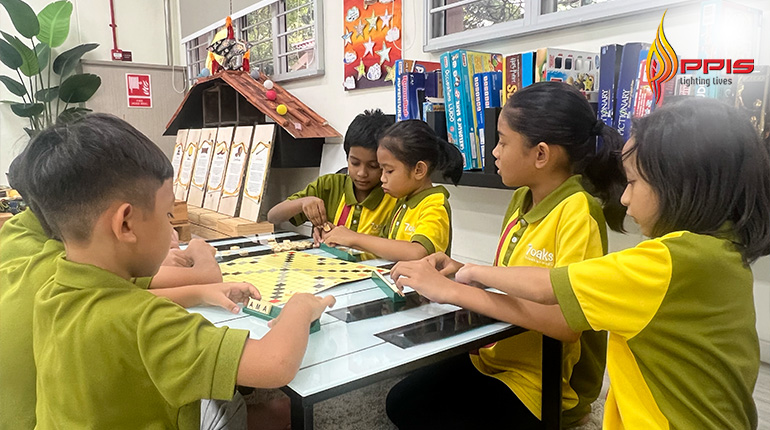
Safety is one of the most important considerations when choosing a student care centre. While academic support and enrichment programmes matter, a secure and well-managed environment is essential for your child’s daily well-being.
Many parents focus on schedules and fees, but fewer take the time to understand a centre’s safety policies before enrolment. Clear, structured safety procedures play a critical role in protecting children, building trust, and ensuring peace of mind for parents. A well-defined safety framework is not optional; it is a foundation of quality student care.
Secure Entry, Exit & Pick-Up Procedures
Controlled Access to the Student Care Centre
A reliable student care centre should have controlled entry and exit points to prevent unauthorised access. This may include locked doors, access cards, visitor logs, or staff-managed entry systems that ensure only approved individuals enter the premises.
Authorised Pick-Up Verification
Clear pick-up protocols are essential. Centres should verify the identity of authorised carers through registration records, identification checks, or digital verification systems before releasing a child.
Procedures for Late or Emergency Pick-Ups
Unexpected situations can occur. Well-managed centres have defined procedures for late pick-ups or emergency changes, ensuring children remain supervised and safe until they are properly handed over.
Staff Screening & Child Supervision
Background Checks and Staff Qualifications
All staff members should undergo background checks and meet minimum qualification standards. This ensures that children are supervised by individuals who are both capable and trustworthy.
Teacher-to-Student Supervision Ratios
Appropriate supervision ratios allow staff to monitor children effectively and respond quickly to issues. Lower ratios typically mean better attention, especially during high-activity periods.
Ongoing Staff Training and Safeguarding Measures
Regular training in child safeguarding, behaviour management, and emergency response ensures that staff remain prepared to handle different situations professionally and calmly.
Health, Hygiene & Emergency Preparedness
Cleanliness Standards and Hygiene Practices
A clean environment reduces health risks. Student care centres should follow strict hygiene routines, including regular cleaning of classrooms, restrooms, and common areas.
First-Aid Readiness and Medical Protocols
Centres should be equipped with first-aid kits and have trained staff capable of handling minor injuries or medical incidents. Clear protocols for managing allergies, medication, and illnesses are equally important.
Emergency Drills and Preparedness
Fire drills, evacuation procedures, and lockdown exercises help children and staff respond calmly during emergencies. Regular drills ensure that safety procedures are familiar and effective.
Safety During Activities & Transitions
Supervision During Daily Activities
Whether children are doing homework, playing, or participating in enrichment activities, consistent supervision is critical. Structured schedules and active monitoring reduce the risk of accidents.
Safe Movement Between Areas
Transitions between classrooms, play zones, or activity spaces should be well organised. Clear rules and staff guidance help prevent injuries during movement.
School Pick-Up and Drop-Off Safety
For centres that manage school pick-ups, safety protocols should include attendance checks, secure transportation arrangements, and clear handover procedures from school to centre.
Parent Communication & Transparency
Incident Reporting and Parent Updates
Parents should be informed promptly if any incident occurs, no matter how minor. Transparent reporting builds trust and reassures parents that their child’s safety is taken seriously.
Communication Channels Used by the Student Care Centre
Effective centres use clear communication channels such as messaging apps, emails, or parent portals to share updates, notices, and safety-related information.
Building Trust Through Open Communication
Open and consistent communication allows parents to stay informed and engaged. It also enables centres to address concerns early, creating a safer and more supportive environment.
Choosing Safety with Confidence
Understanding the safety policies of a student care centre helps parents make informed decisions that prioritise their child’s well-being. From secure access and trained staff to hygiene standards and transparent communication, strong safety frameworks reflect a centre’s professionalism and commitment to care.
For organisations looking to strengthen safety systems, streamline parent communication, or implement technology-driven safety management solutions, Pro Tech provides expert support and tailored solutions. Speak to Pro Tech today to learn how the right systems and processes can enhance safety, transparency, and trust in student care operations.
