
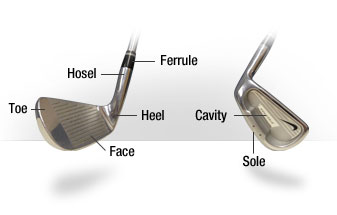
For many players, the path to more consistent golf starts with understanding the basic golf club components that make up every club in the bag. Heads, shafts, grips, and small but important pieces like ferrules and hosel adapters all influence how a club feels, launches the ball, and fits your swing. When you see how these parts work together, it becomes easier to make smart choices about upgrades and custom builds.
Why Components Matter For Everyday Golfers
Most golfers start with off the rack clubs in standard specs. That can work for a while, but many players eventually notice patterns they would like to change. Maybe irons fly too low, wedges feel too heavy, or the driver never seems comfortable at address.
Looking at components instead of only complete clubs gives you more control. You can adjust specific elements such as shaft weight, grip size, or head style without replacing the entire set. That is one reason many serious golfers and hobby builders start paying closer attention to individual parts.
Clubheads And Their Role In Performance
The head is the most visible part of a golf club, and it has a major influence on ball flight. Different designs suit different skills and preferences.
- Drivers and fairway woods
Head size, face depth, and weight distribution affect launch height, spin, and forgiveness. Larger profiles often help with confidence and off center hits, while compact heads appeal to players who like to work the ball. - Hybrids and irons
Cavity back heads tend to offer more forgiveness and higher launch, which helps many everyday golfers. Players irons with thinner top lines and less offset suit those who prefer lower, more workable trajectories. - Wedges
Sole width, bounce, and grind patterns matter a great deal for short game performance. The right combination depends on your typical turf conditions and chipping style.
By viewing heads as components instead of fixed features, you can tailor your set makeup for distance gapping, shot shape, and course conditions.
Shafts And How They Influence Feel
If the head is the engine of the club, the shaft is the transmission. It affects weight, balance, and timing throughout the swing.
Key elements include
- Flex
Regular, stiff, and other flex ratings are meant to match swing speed and tempo. A shaft that is too soft or too firm can lead to inconsistent face delivery and ball flight. - Weight
Lighter shafts can help some players generate more speed, while heavier shafts may aid control for stronger or more aggressive swingers. - Profile
The way a shaft bends from butt to tip influences how it feels during the transition and into impact. Some golfers like a smoother load, others prefer a firmer, more stable sensation.
Because shafts are interchangeable components, you can fit them to your swing instead of bending your motion to fit a stock choice.
Grips And The Importance Of Comfort And Control
Grips are often overlooked, but they are your only direct contact with the golf club. Size, texture, and firmness all play a role in comfort and control.
- Grip size
Undersized grips may encourage excess hand action, while overly thick grips can restrict release. Many players benefit from sizing based on hand measurements rather than guessing. - Texture and material
Corded and hybrid grips provide more traction in humid or wet conditions. Softer compounds can help reduce shock and feel friendly on the hands during long practice sessions. - Consistency across the set
Keeping grip model and size consistent from driver to wedge helps maintain a familiar feel, which supports better rhythm and timing.
Regularly replacing worn grips is one of the simplest component upgrades you can make and can have an immediate impact on confidence.
Small Parts With Big Influence
Beyond the obvious pieces, several smaller components also contribute to performance and appearance.
- Ferrules
These cosmetic collars help create a clean transition between shaft and head and can also provide a bit of extra protection at the joint. - Hosel adapters
On adjustable drivers and some fairway woods, adapters allow changes in loft, lie, and face angle without buying a new head. - Tip weights and balancing elements
Builders sometimes use internal weights to fine tune swingweight and feel, matching clubs more closely across a set.
For golfers who enjoy the craft side of equipment, these parts open the door to deeper levels of fine tuning.
Why Component Knowledge Helps With Future Purchases
You do not need to become a full time clubmaker to benefit from understanding components. Even basic knowledge helps you ask better questions when buying new clubs or working with a fitter.
Instead of simply choosing a brand and model, you can talk about
- Desired head style and forgiveness level
- Shaft weight range and feel preference
- Grip size and texture that suits your hands
- Adjustability options that might support long term use
This leads to gear that reflects your game rather than someone else’s swing or a marketing spec sheet.
Final Thoughts And Where To Learn More
Golf becomes more rewarding when your equipment works with you instead of against you. Seeing clubs as a collection of parts rather than fixed objects gives you more ways to shape ball flight, improve feel, and keep your set relevant as your swing evolves. Whether you want to assemble your own clubs, replace a few worn pieces, or simply make more informed buying decisions, a solid grasp of components is a strong place to start.
If you are ready to look more closely at heads, shafts, grips, and the smaller pieces that tie them together, Hireko Golf offers a broad selection of golf club components along with fitting resources and information for both new builders and experienced players who want to refine their setups.
